
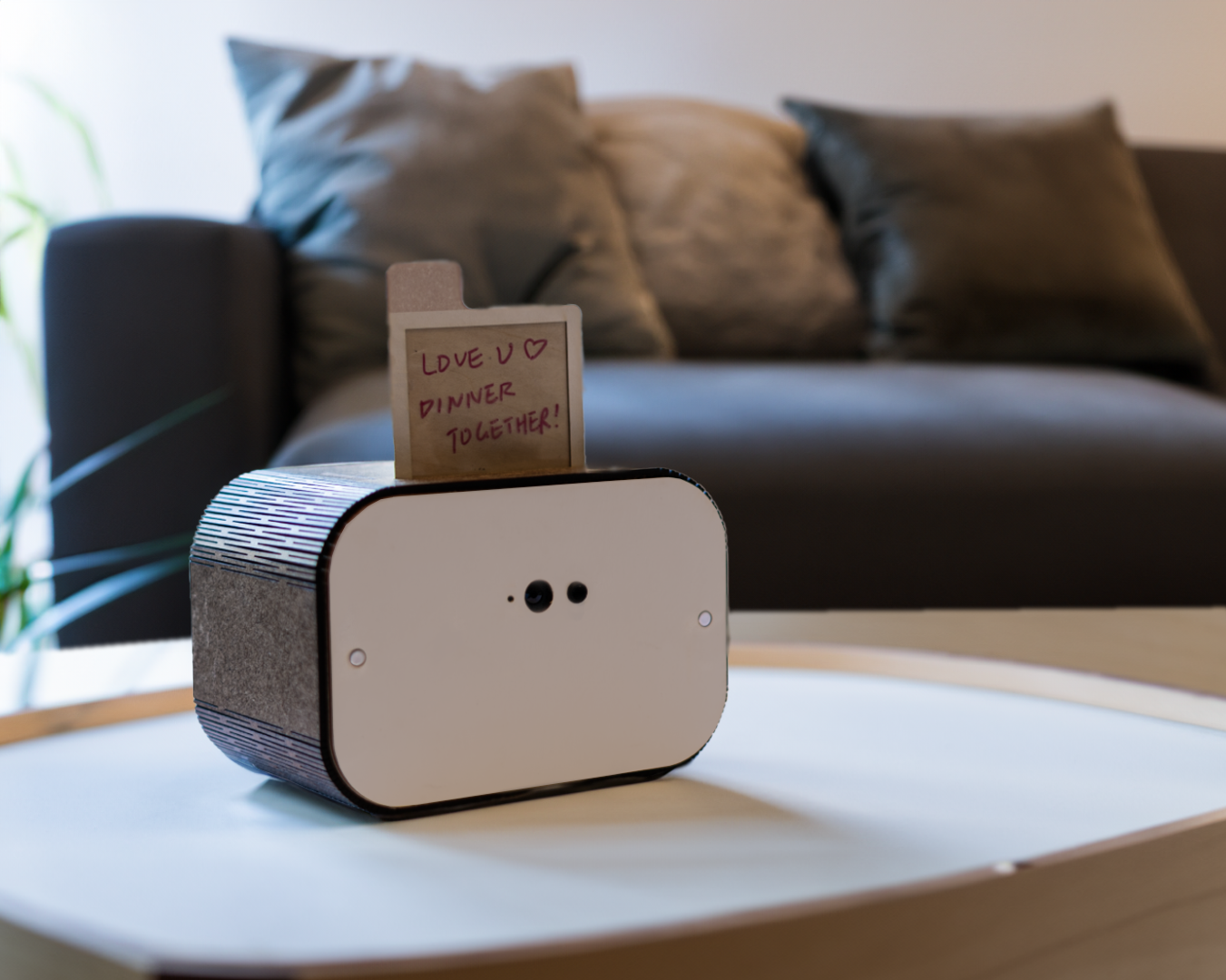
Lovebytes
Tools
Figma, Illustrator, Python, Laser Cutter.
Team
1 Researcher, 1 Technical Designer and 2 Industrial Designers.
My Role
Technical Designer.
Duration
3 Months.
LoveBytes' video offers a glimpse into the world of this innovative device designed to enhance offline communication between partners. With its unique features and striking aesthetics, the video showcases the potential for deeper emotional connections.
Shortcut
Overview
Lovebytes provides a unique offline platform for couples to communicate in a deeply personal way.
By embracing offline communication, Lovebytes allows partners to disconnect from the distractions of the digital world and focus on fostering a deeper connection in their relationship.
-
Lovebytes creates an enchanting and romantic atmosphere within the confines of the home, enhancing the bond between partners in the form of affectionate messages, it rekindles the spark and intimacy between couples, reminding them of the deep love they share and fostering a stronger emotional connection. With Lovebytes, couples can nurture their relationship and keep the flame of romance alive.
Key Interactions
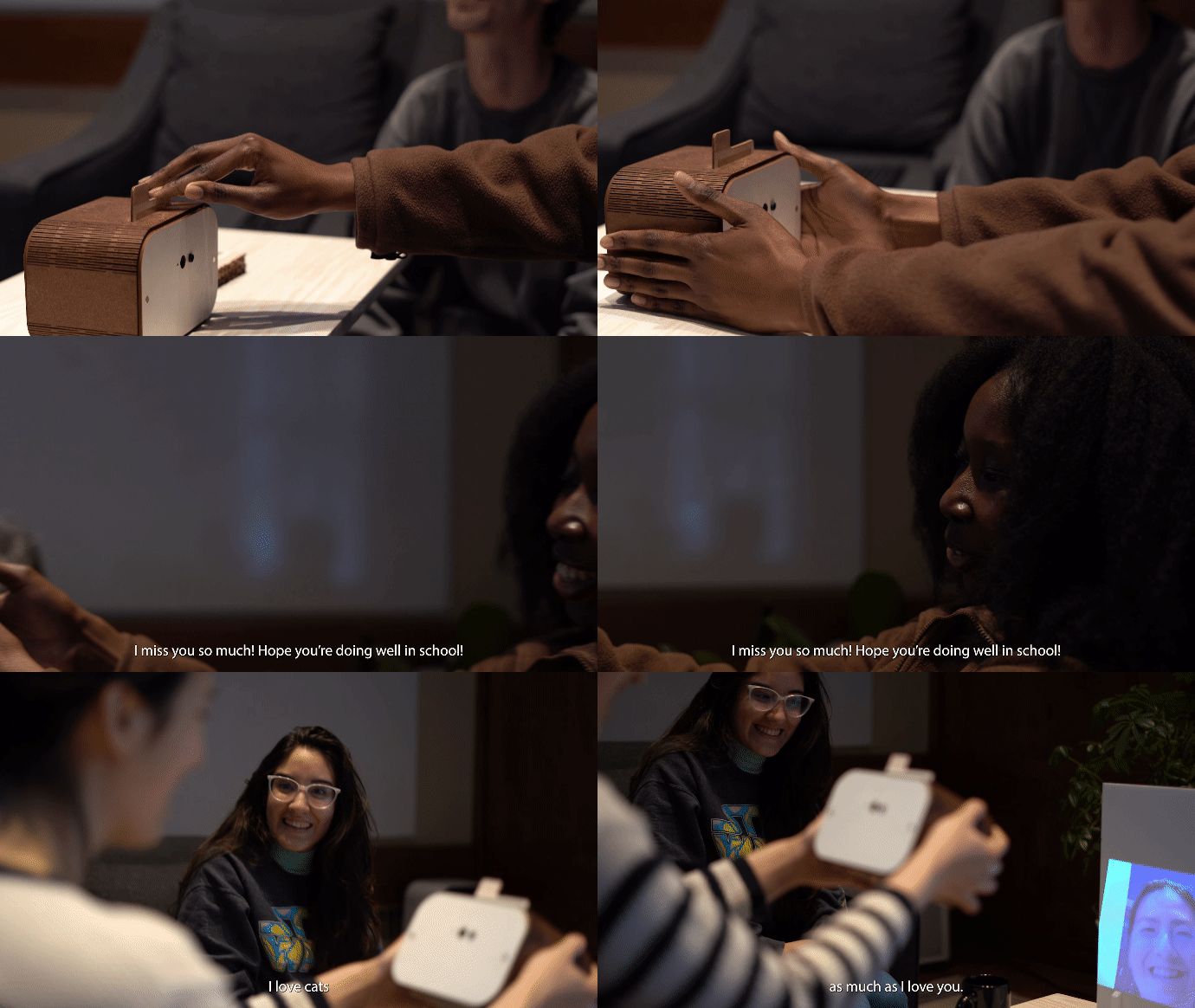
Leaving a message.
-
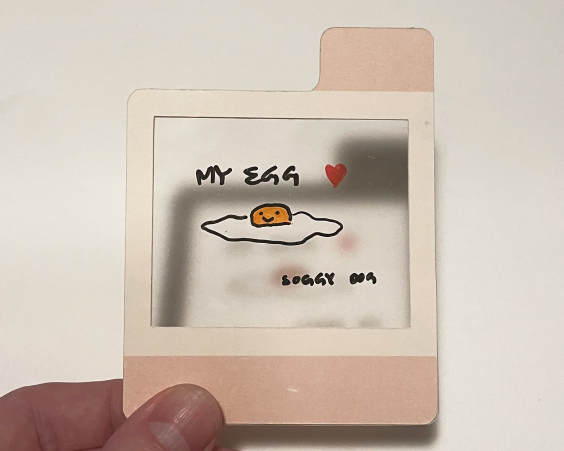
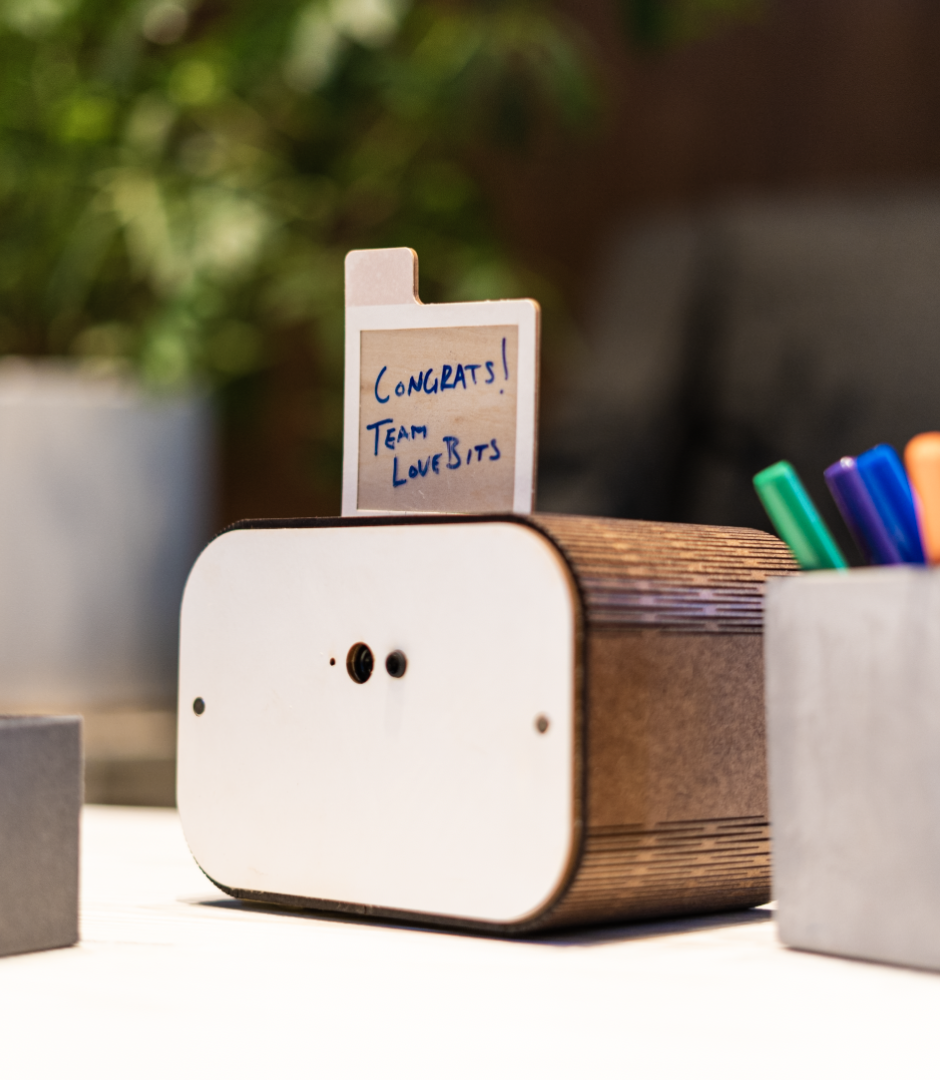
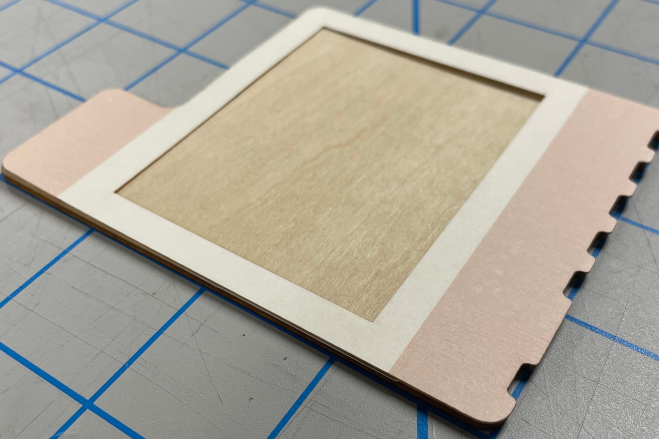
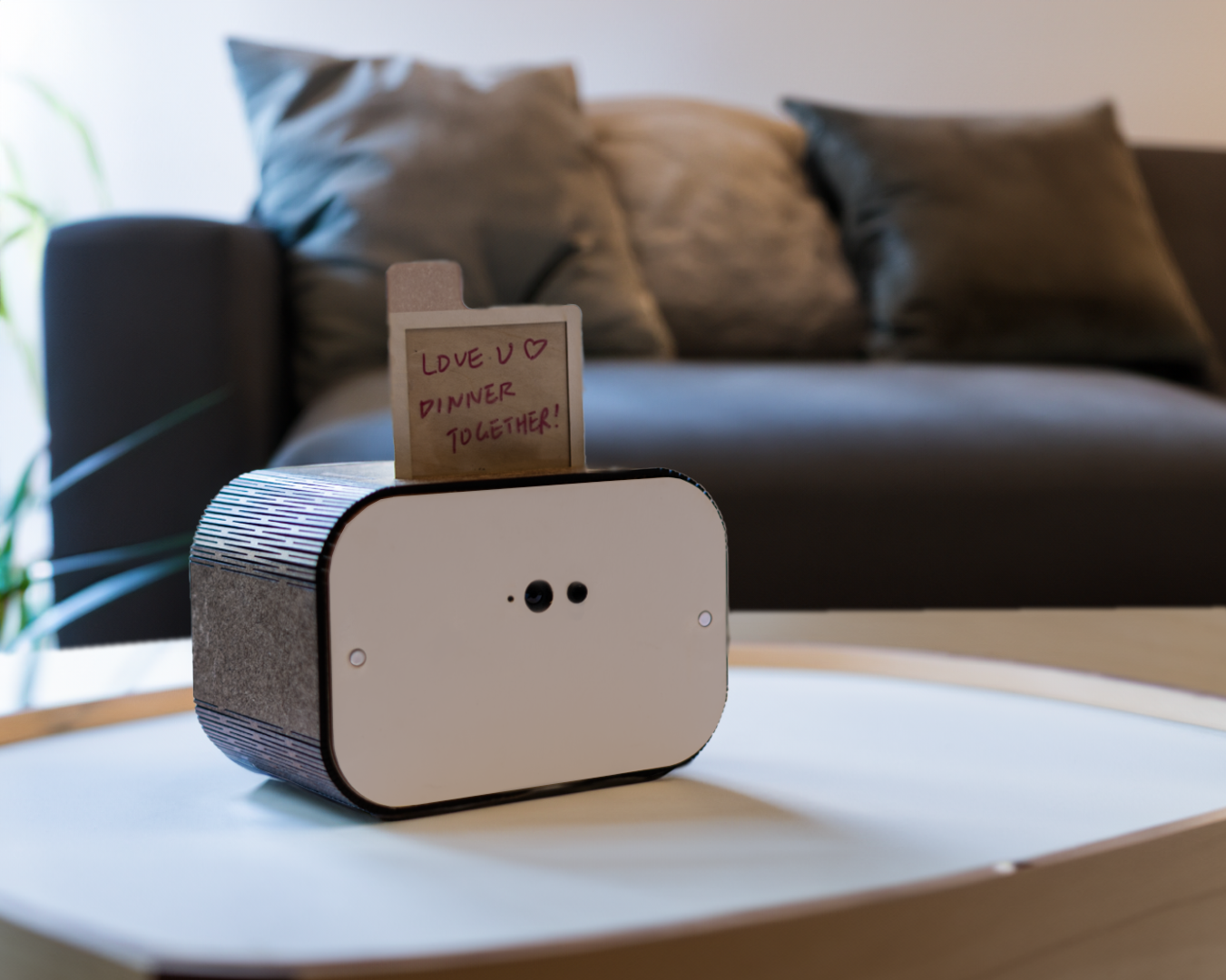
Partners draw or write on a unique “byte” designed to resemble a Polaroid picture but which is sturdy and made to last for life.
-
Each card is unique. When inserted into the device for the first time, the user can record a 15-second video for their partner.
-
Here, partners are invited to be playful and get creative. Bytes were designed to be left in the slot of the device, but through testing we found users gifting them by hand, orchestrating scavenger hunts, and even stashing cards around the house to surprise their partner.
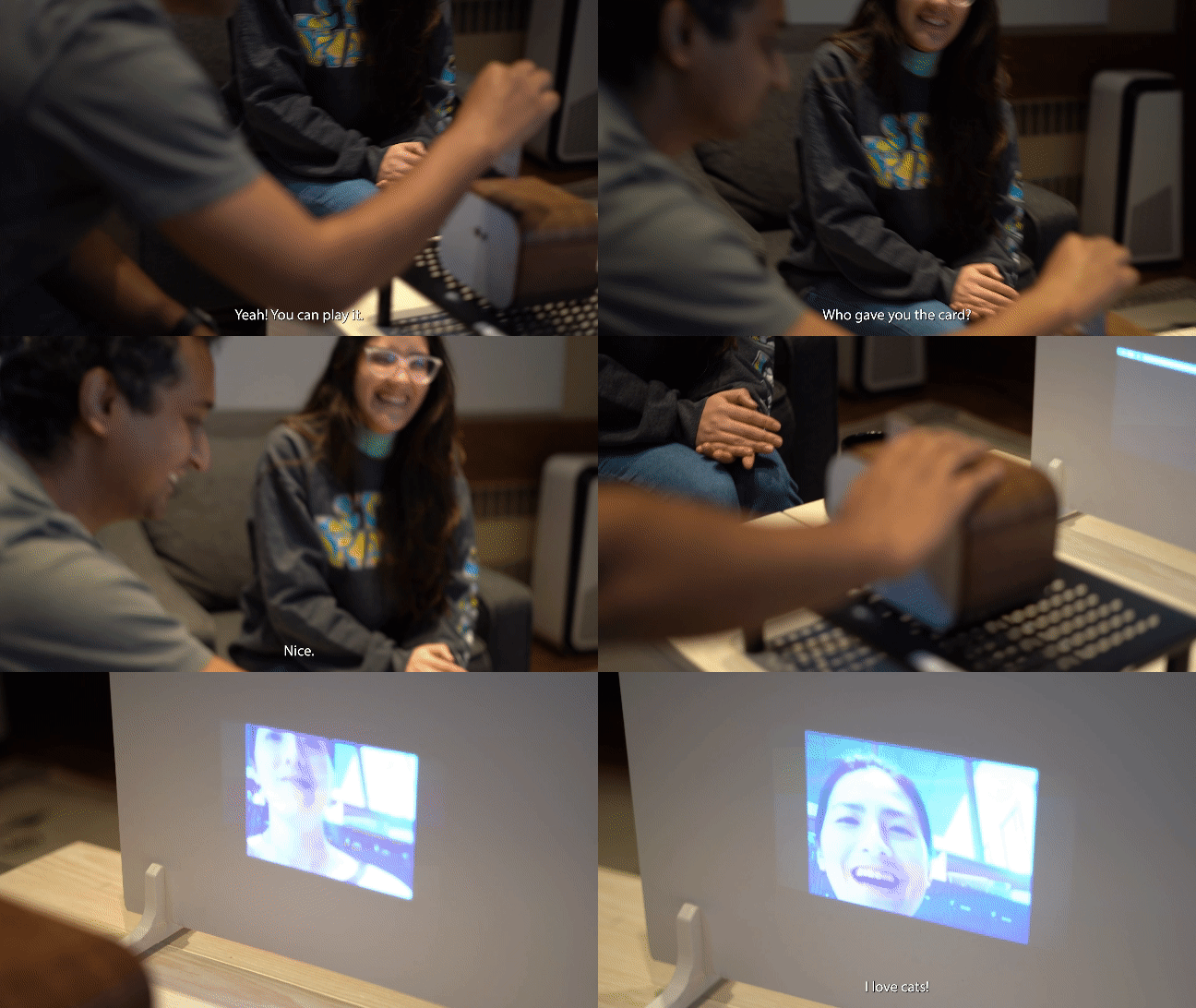
Receiving a message.
-
Once a video message is recorded onto a card, the user leaves the card in the device’s slot. This serves as an analog notification to inform the partner that there is an unread note.
-
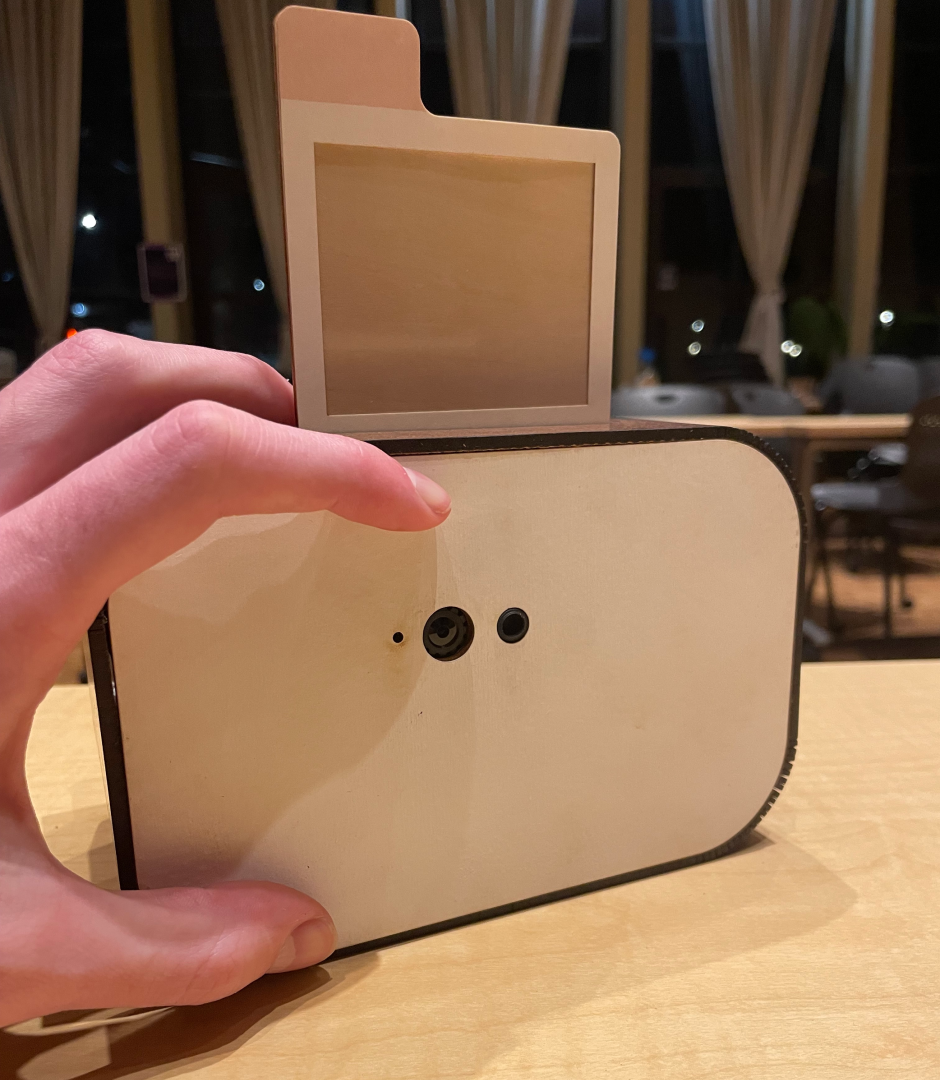
The partner can read the card and press it down to replay the video message (through a projector).
-
The association between the video and the card is permanent and the device plays the same message the next time the card is inserted. Additionally, the cards are sturdy and designed with an index tab. Users are provided a means to store and catalog their favorite messages to listen to later.
Situation
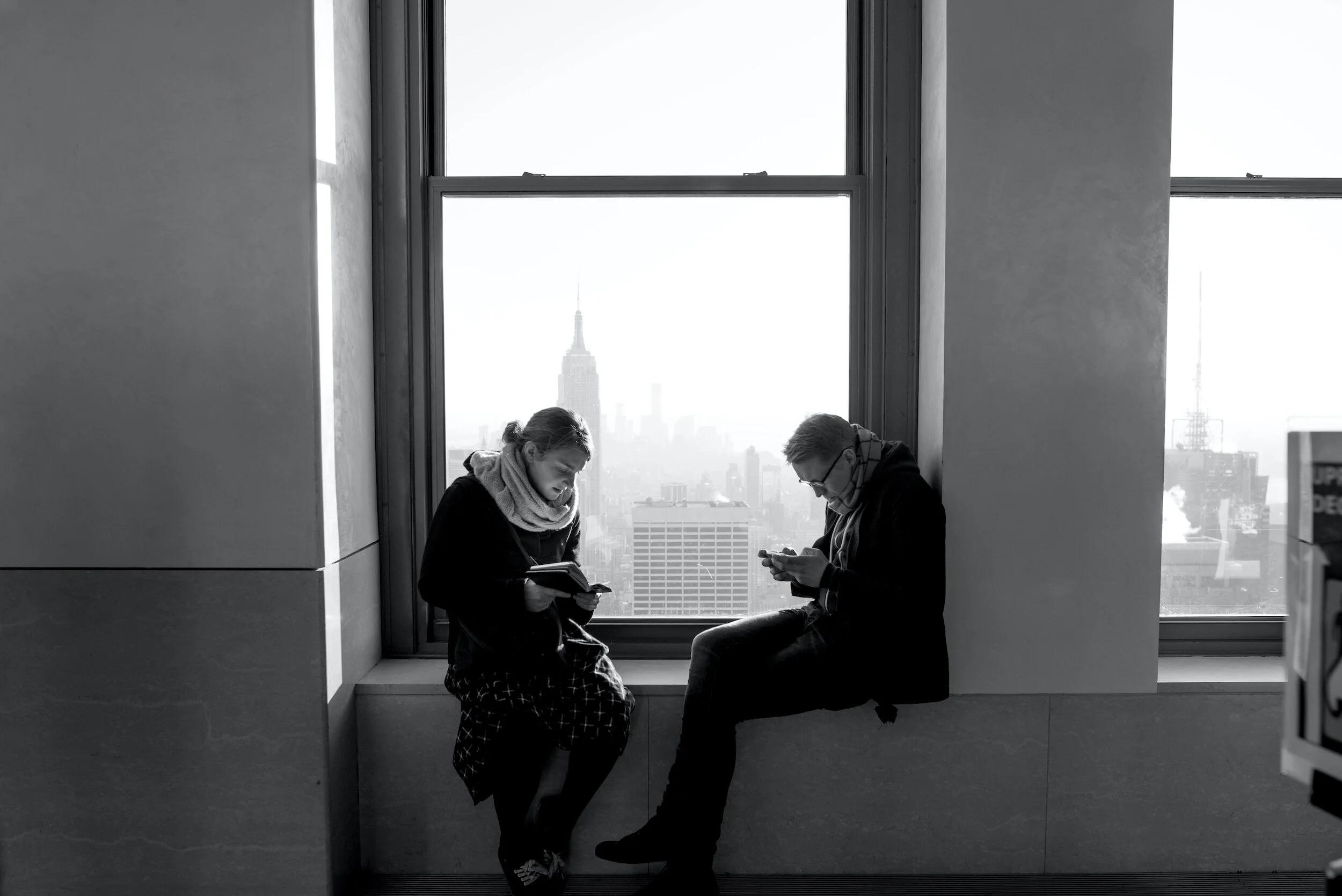
In today's fast-paced society, couples often find themselves facing a disconnection due to the lack of time spent together.
Statistics from the U.S. Bureau of Labor Statistics reveal that almost half of marriages in the United States consist of dual-income households, while approximately 16% of workers have non-traditional work schedules. This means that partners may have conflicting work shifts, leaving them with limited opportunities for quality time.
-
Furthermore, the average American works around 47 hours per week, leading to increased workloads and less time dedicated to nurturing their relationship. Recognizing the significance of human connection, studies emphasize the importance of utilizing various forms of communication, including written and verbal exchanges, as well as nonverbal cues like facial expressions.
Objective
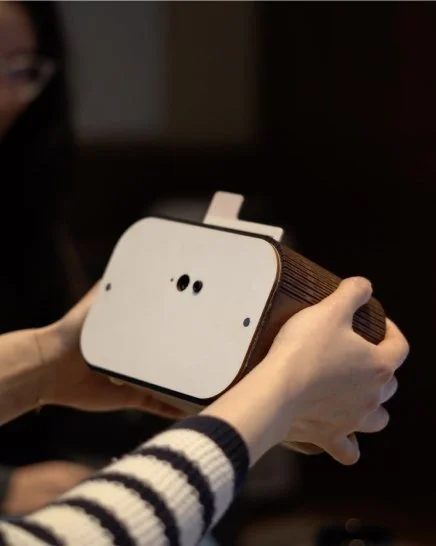
The objective was to create an analogic tool that serves as more than just a device; it becomes a means to build meaningful connections between partners residing together. By providing a unique offline platform for communication, Lovebytes encourages couples to engage in a deeply personal and intimate way.
-
The act of embracing offline communication allows partners to detach from the distractions that often accompany the digital world, enabling them to truly focus on fostering a deeper connection within their relationship. By bridging the gap between the digital age and sentimental gestures, Lovebytes ensures that the exchange of messages remains enchanting and heartfelt.
Ideation
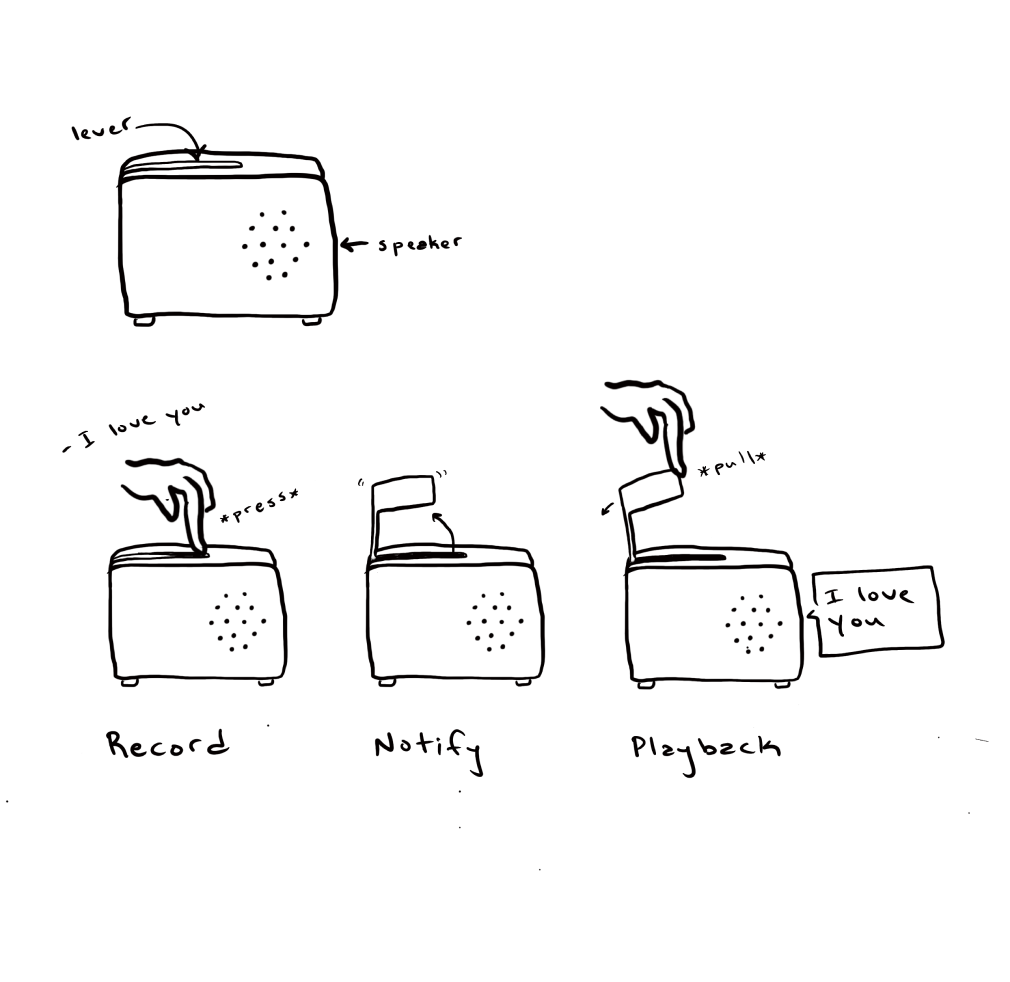
As a collaborative team, we embarked on the ideation phase by conducting a thorough analysis of existing home care products to gain insights into their strengths and weaknesses, identifying opportunities for improvement.
My primary responsibility was to evaluate the feasibility of the ideas generated and explore potential avenues for their realization.
-
Throughout this phase, we delved into extensive brainstorming sessions, sketching and refining more than 12 different concepts. The purpose of these sketches was to visually communicate how each idea would function and bring value to users' lives. By mapping out the intricacies and user interactions of each concept, we gained a deeper understanding of their potential.
After careful consideration and evaluation, we collectively agreed that Lovebytes possessed the most promising attributes and aligned closely with our objectives. Lovebytes stood out as the concept we were passionate about bringing to life. With its enchanting and innovative nature, we believed it had the potential to make a meaningful impact on the lives of individuals and couples.
By diligently analyzing existing products, sketching multiple ideas, and selecting Lovebytes as our chosen concept, we laid the foundation for the subsequent phases of development. Our team was energized by the prospect of transforming Lovebytes from a mere concept into a tangible reality that would foster deeper connections and enhance relationships.
Storyboard and Interaction Refinement
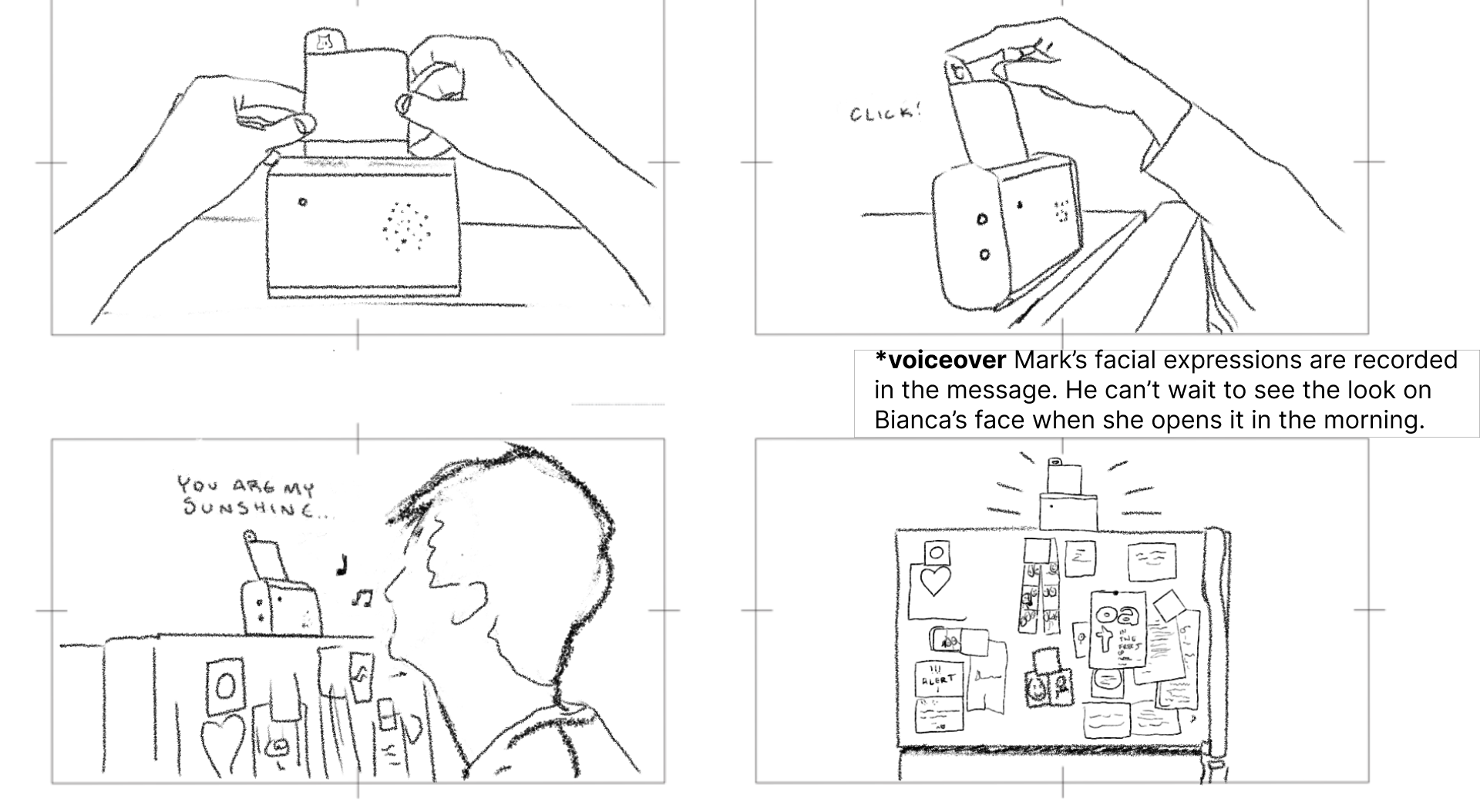
During the storyboard process, our team began to establish a shared understanding of Lovebytes and its functionality. This phase involved refining the feature set while simultaneously exploring different use cases for Lovebytes.
By creating a storyboard, we were able to vividly envision how the device would operate in the desired setting, allowing us to better conceptualize its role and purpose.
-
The storyboard served as a visual narrative that helped us understand the user journey and interactions with Lovebytes. It enabled us to map out the various scenarios in which the device would be utilized, considering different contexts, user needs, and potential challenges. Through the storyboard, we could effectively align our perspectives and ensure that everyone had a clear vision of how Lovebytes would function in real-life scenarios.
By engaging in the storyboard process, we gained valuable insights into the practical implementation of Lovebytes and how it could positively impact users' lives. It provided a platform for brainstorming and refining ideas, allowing us to make informed decisions and iterate on the concept. Ultimately, the storyboard played a crucial role in shaping our understanding of Lovebytes and laying the groundwork for its future development.
In LoveBytes' initial video draft, we introduce the core idea before diving into the device's development. This early-stage presentation offers a glimpse of the concept's potential, setting the stage for a unique journey to enhance offline communication and emotional connections between partners.
Low-Fidelity Prototype
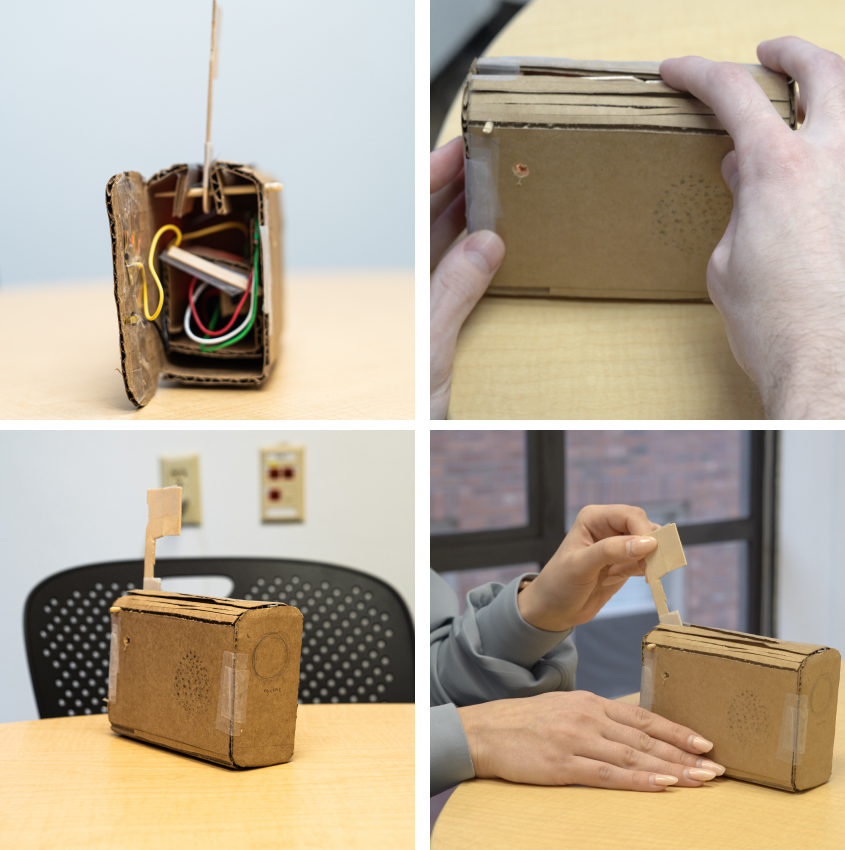
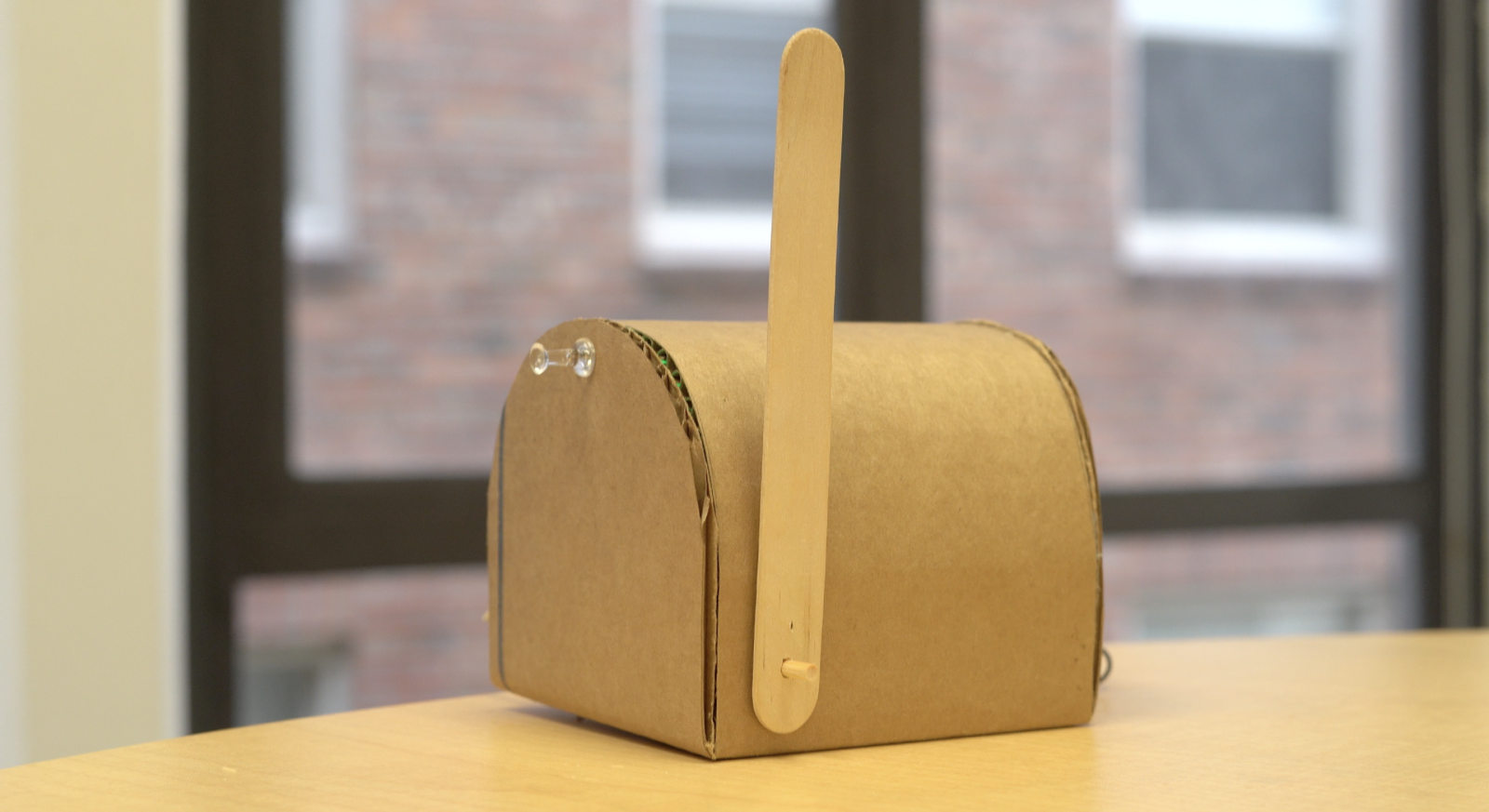
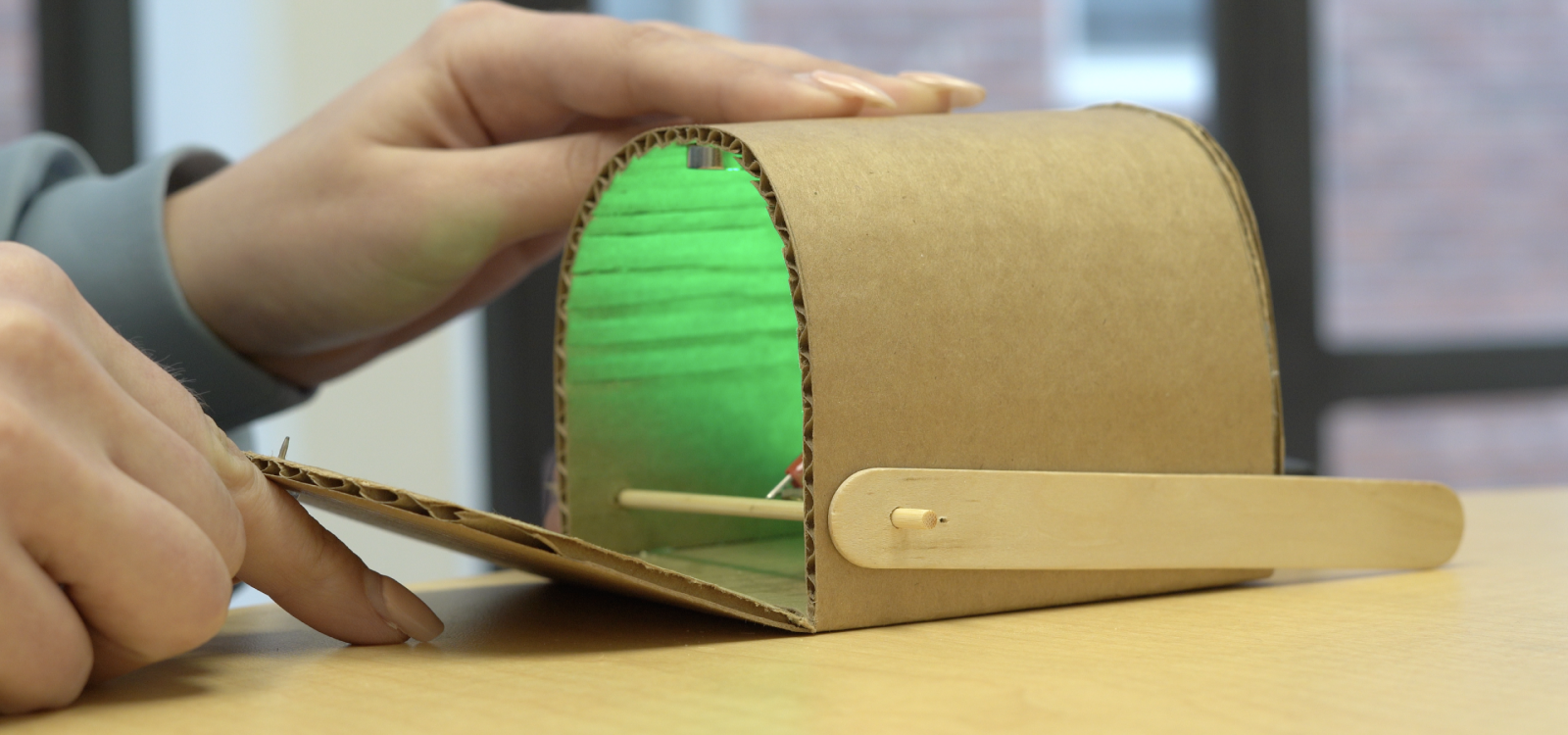
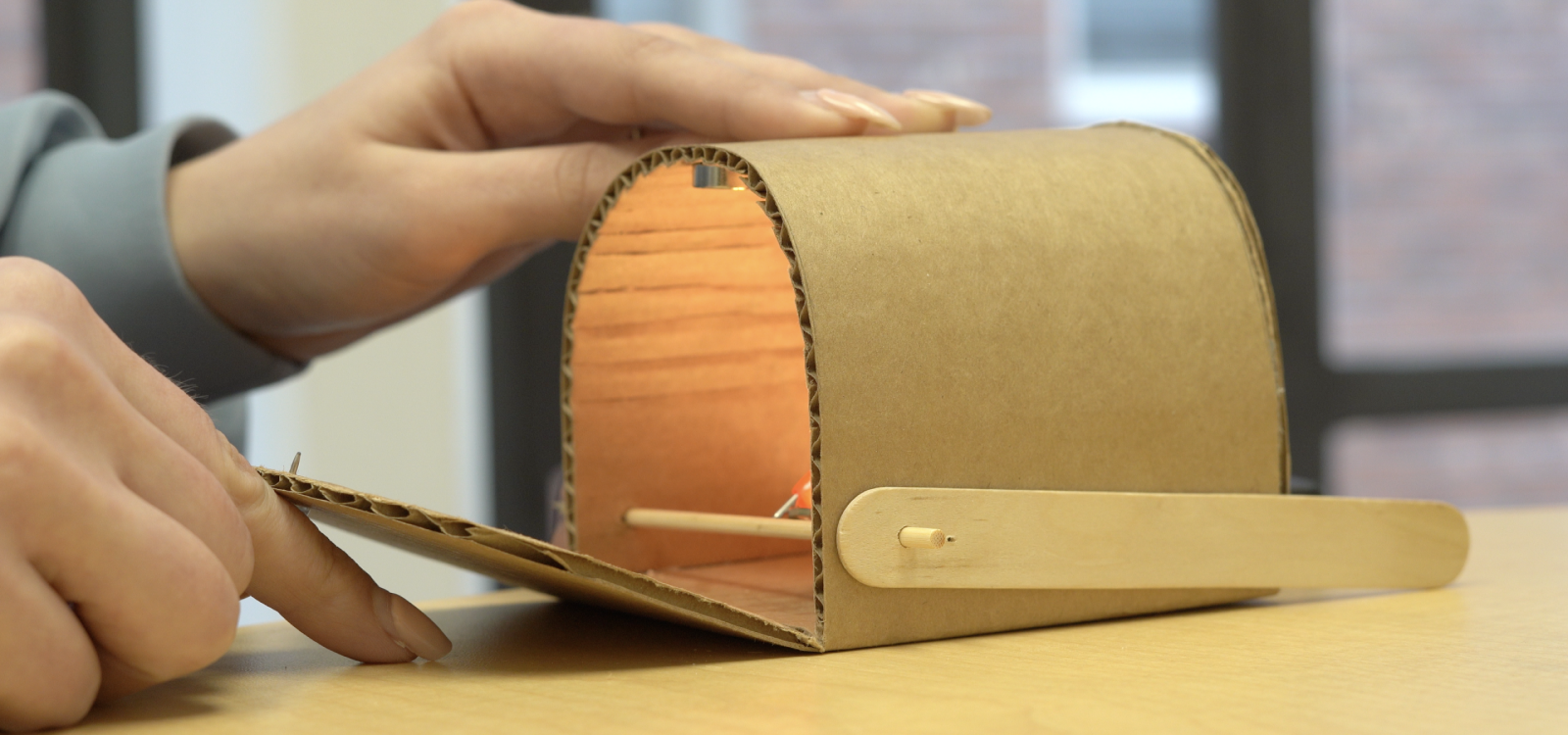
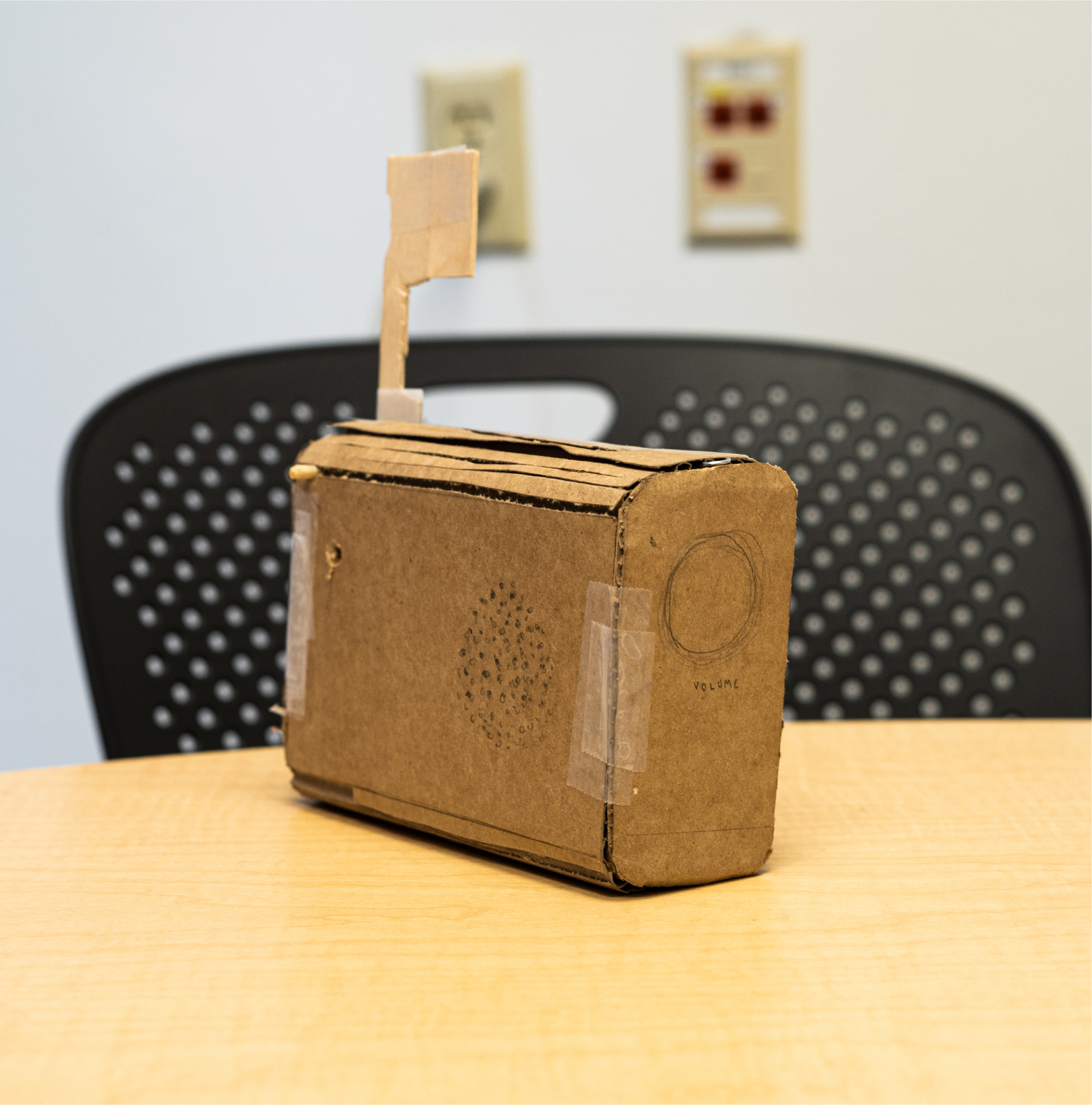
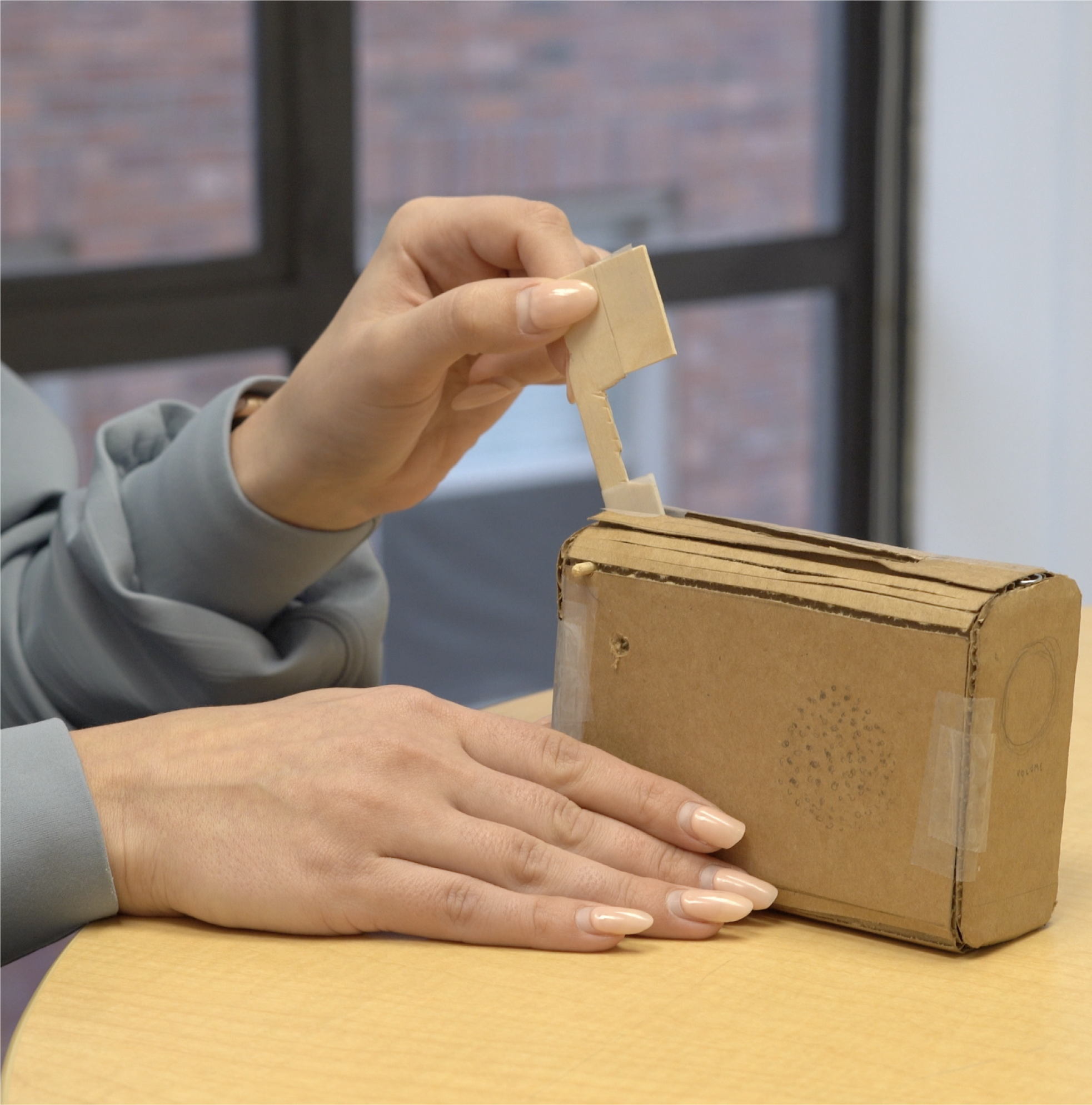
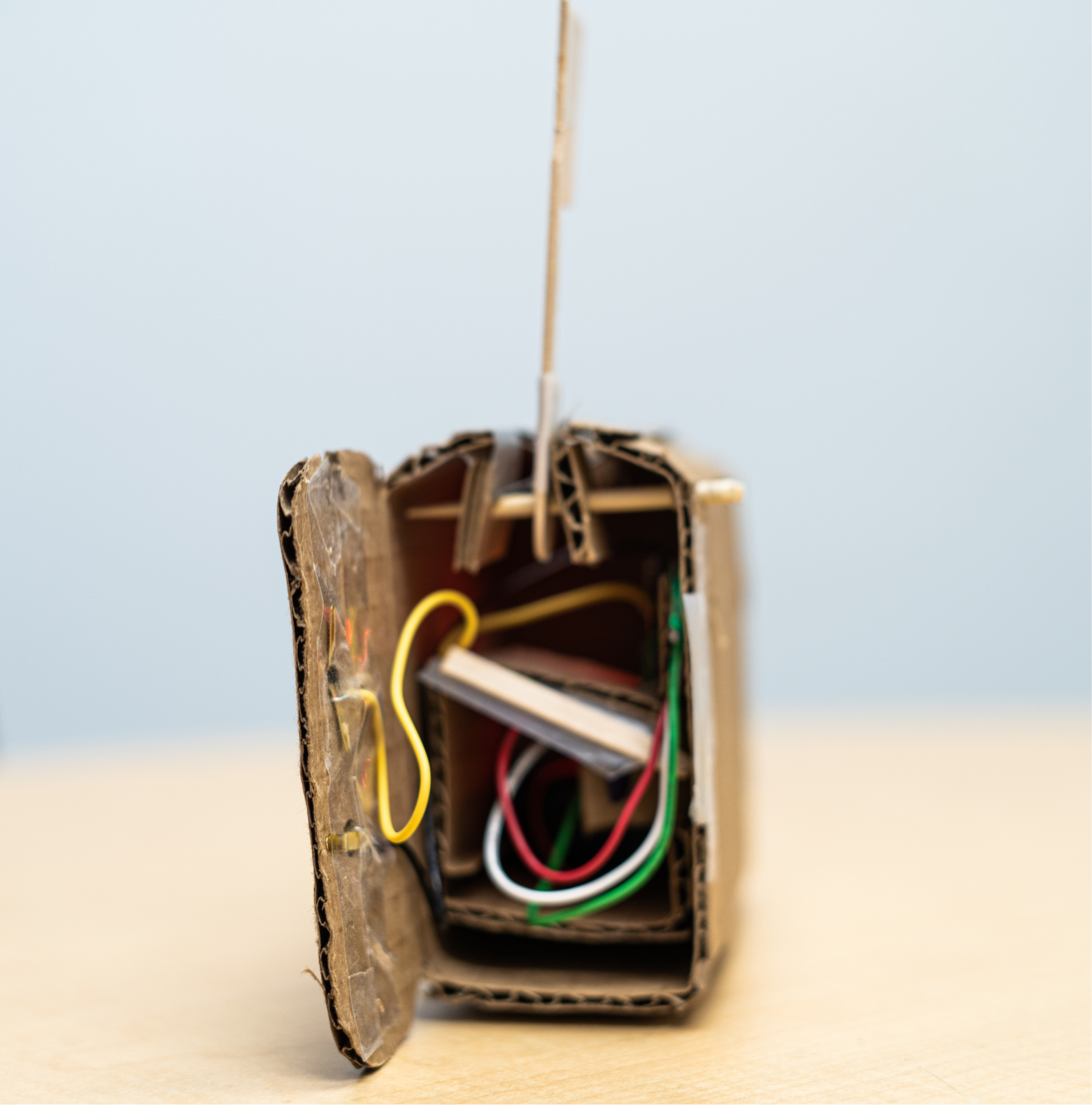
During the low-fidelity prototype stage, the team embarked on an exploration of diverse form factors, seeking to push the boundaries of design and innovation. The goal was to create a tangible representation of our vision and examine how different physical manifestations could influence user experience.
-
As a key contributor to the project, my responsibility was to delve into the logistics of determining the feature set. This involved meticulously examining the requirements and specifications of the prototype, ensuring that the chosen form factors could accommodate the desired functionalities. I meticulously assessed each potential form factor, considering factors such as size, shape, and ergonomics, to determine which would best align with our objectives.
Simultaneously, I undertook the task of exploring various notification methods. This involved experimenting with different approaches to convey information and capture users' attention effectively. By utilizing the Adafruit Circuit Playground Express (CPX)’s diverse array of sensors, lights, and sounds, I sought to develop notification systems that would seamlessly integrate with the chosen form factors, providing users with clear and intuitive feedback.

Goals
Determine feature set, trial various notification methods, and explore form.

Explored Forms
We decided to explore both a Mailbox and radio form.

Test Findings
At this phase, the device only recorded audio and that wasn’t enough for couples to feel connected.
Mid-Fidelity Prototype
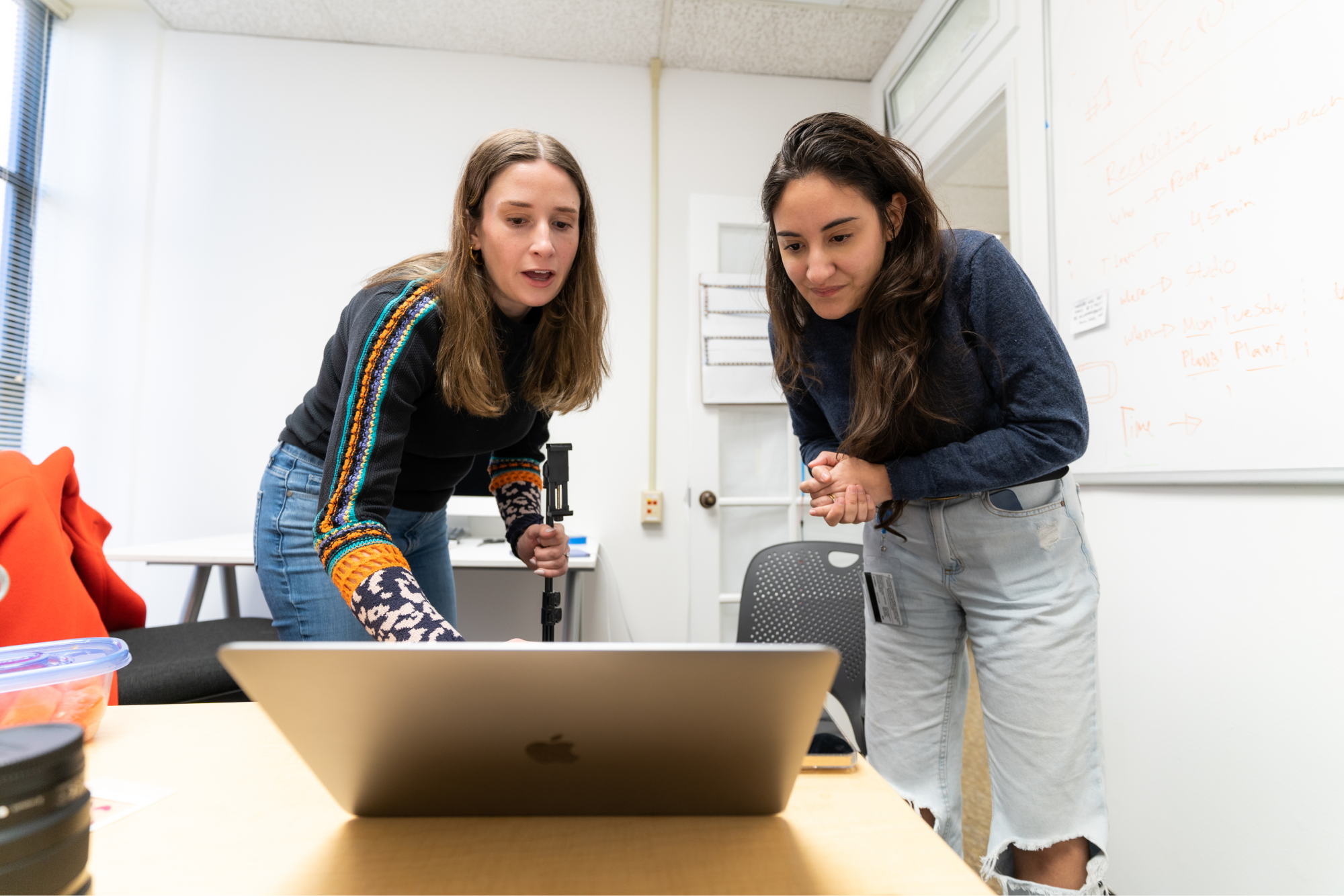
Our goal was to go beyond designing a mere product and instead create an immersive experience for couples residing together. This experience aimed to enable them to express and preserve acts of love and care for each other, fostering a deeper connection over a specific duration.
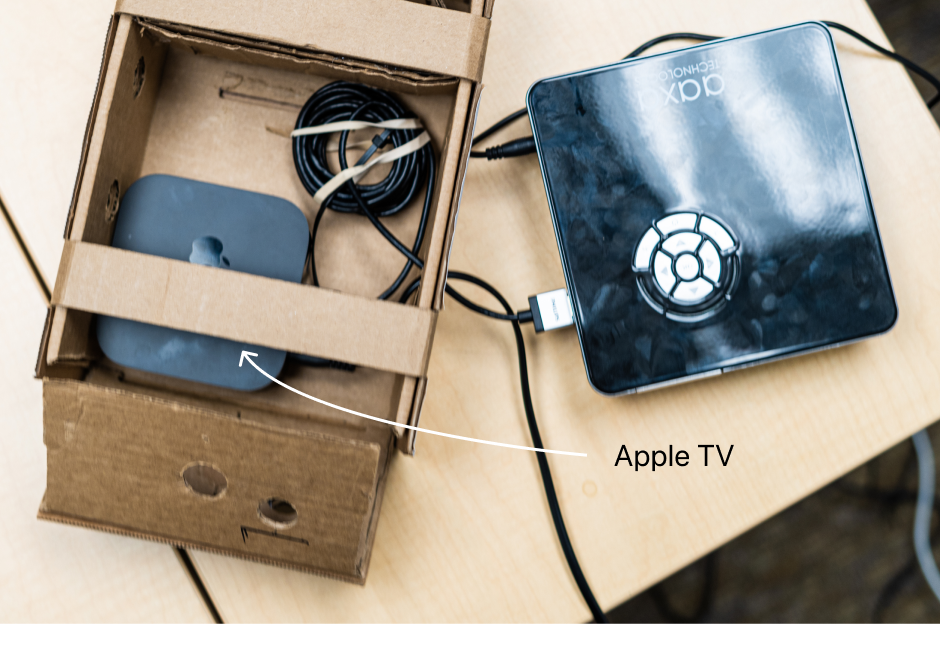
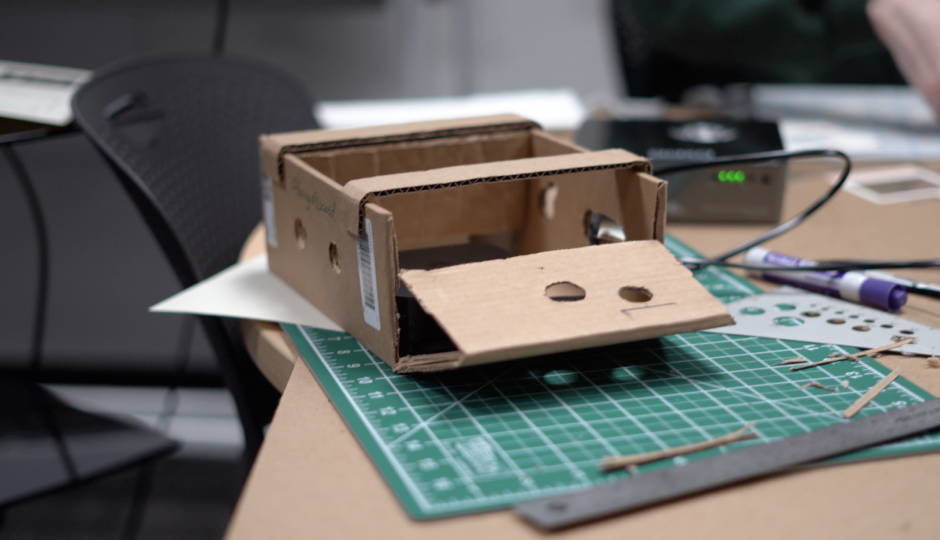
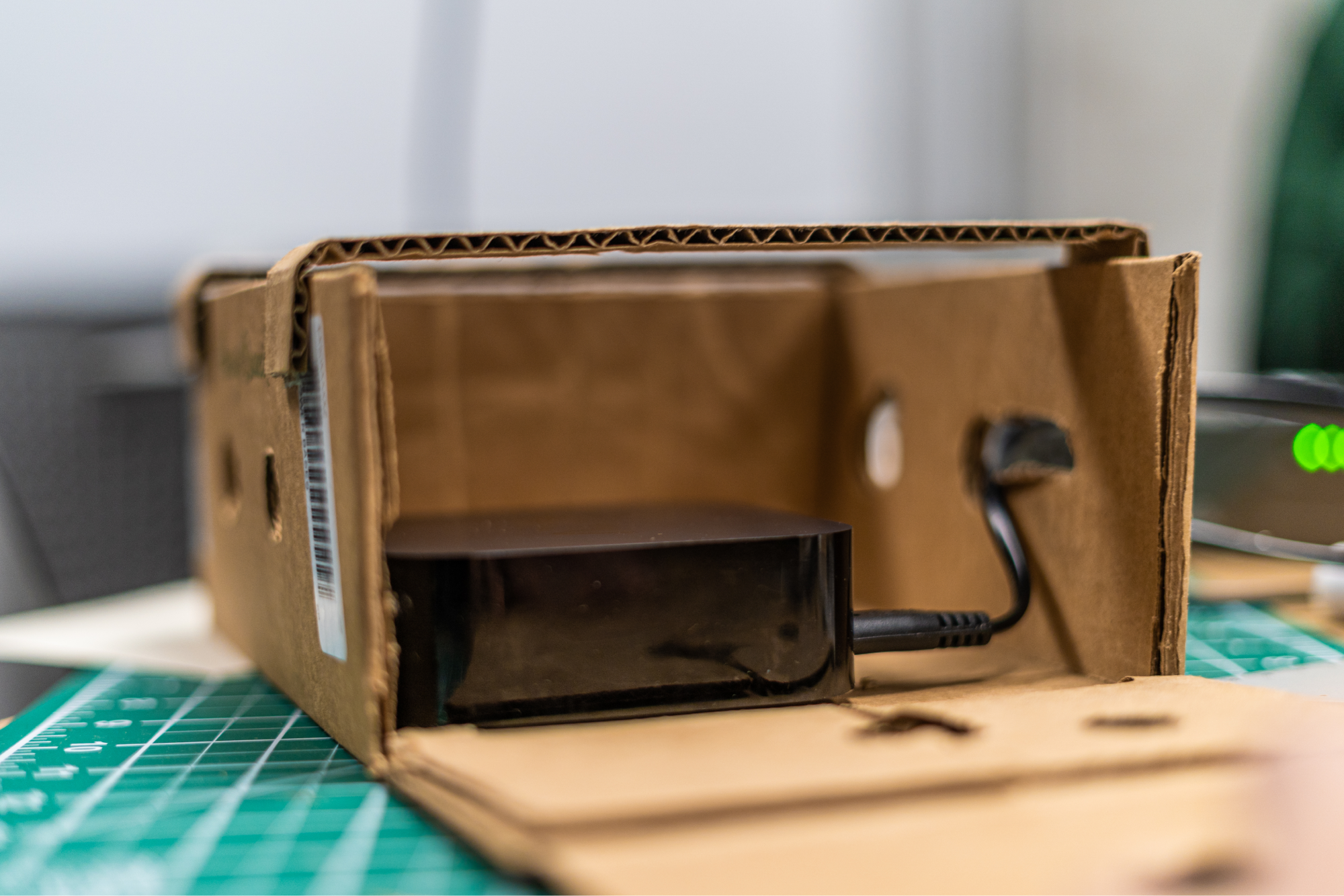
To achieve this, we conceptualized a self-contained device that operated independently from the internet. This device allowed couples to deposit these precious moments of affection, capturing and preserving them in a physical format and the easiest way to test if our assumptions were correct was by faking how the product would act using the Wizard of Woz prototyping technique.
Goals
Gauge target participant reaction and attitudes towards to video playback and recording, determine value of incorporating handwritten elements, further explore form.

Design Actions
Design the device to have an analog look and offline functionality. Prioritize saving handwritten cards and enable easy video review with adjustable camera angles or a user-friendly design. Opt for subtle notifications, avoiding flashy or urgent indicators.
Test Findings
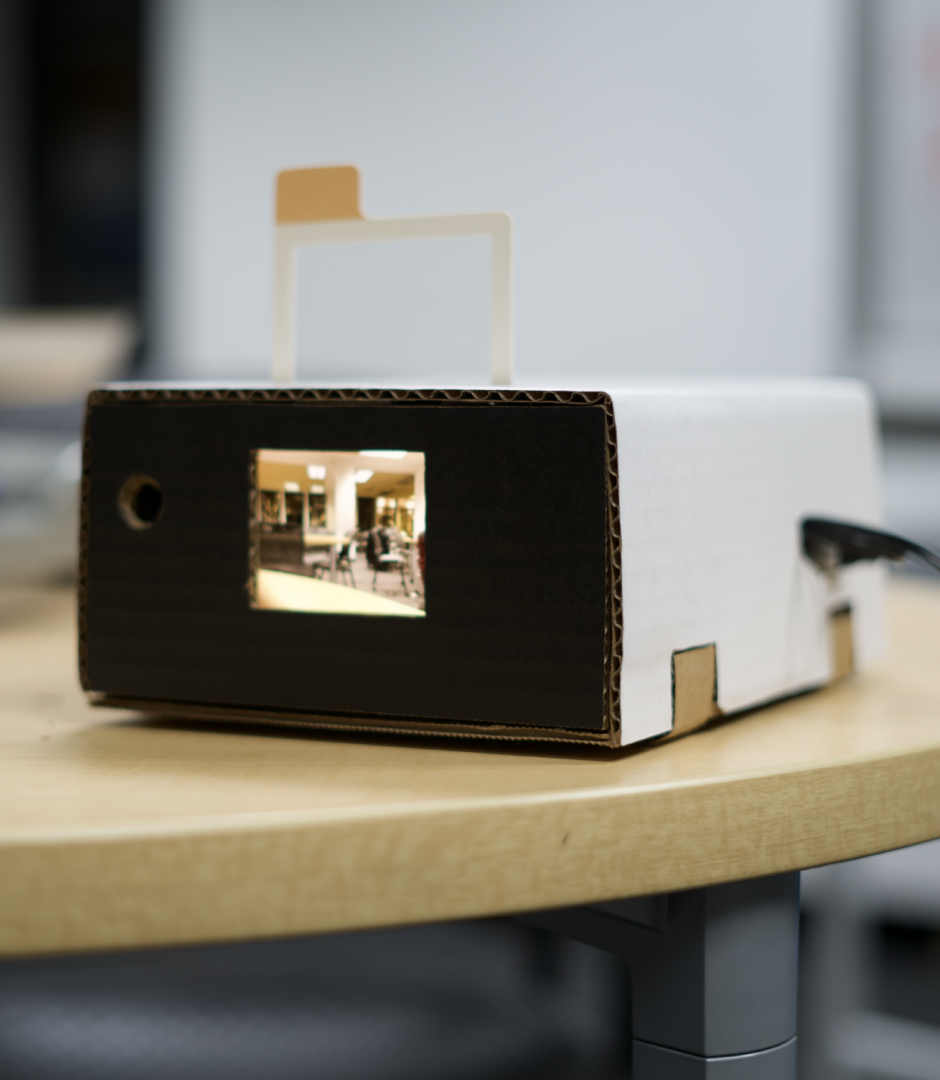
Participants valued the offline communication device's analog aesthetics, appreciating handwritten notes for their meaningfulness in conveying care. They were somewhat reluctant to record their own videos but enjoyed watching their partners' videos, and they preferred subtle, non-intrusive notifications if integrated.
High-Fidelity Prototype
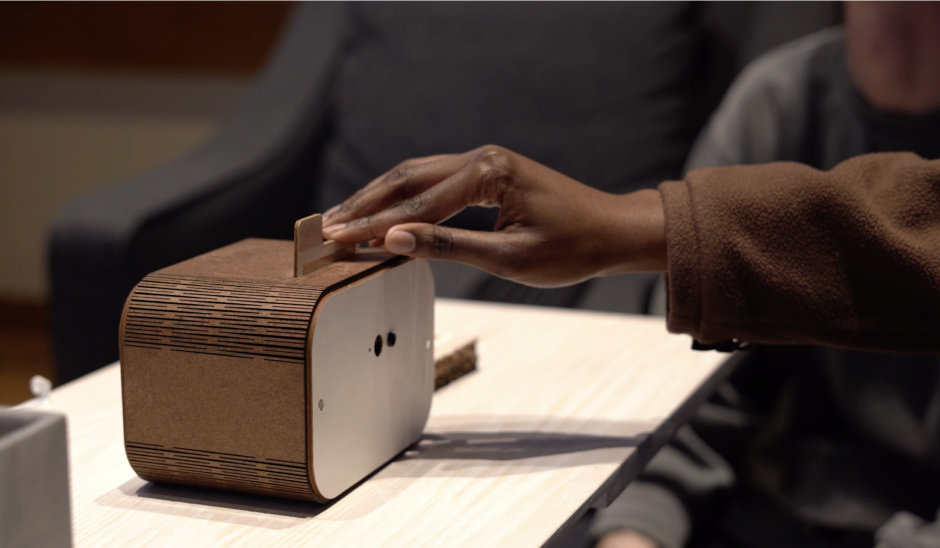
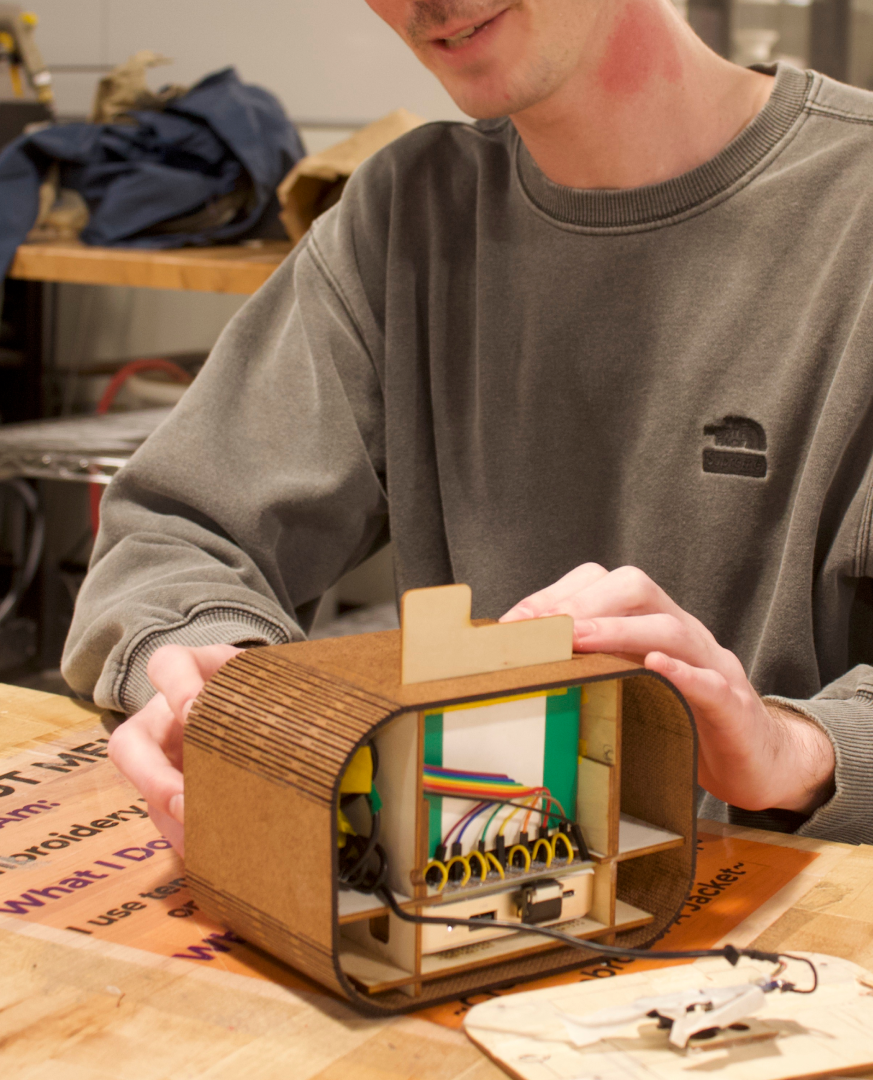
During the High-Fidelity Prototype phase, my main focus revolved around developing software specifically tailored for the Raspberry Pi platform. By leveraging the capabilities of the Raspberry Pi, I aimed to provide a high-quality and immersive video experience that would foster meaningful connections between couples.
Goals
Observe users interactions with a fully functioning prototype, validate form and sound design.
Design Actions
To address user hesitation when lifting the device, systematically identify and eliminate contributing factors through a series of low to mid-fidelity prototypes.
Experiment with video capture preview methods that align with the device's analog aesthetic, such as using a reflective surface.
Additionally, consider eliminating the projected video during recording and implement a closer method for monitoring video capture directly near the device's camera.
Test Findings
During testing, LoveBytes was well-received for its unique features and discrete design. However, some issues emerged:
Participants felt uncomfortable lifting the device without verbal guidance, possibly due to associations with non-mobile devices like projectors and computers. More testing is needed to address this concern.
Another problem was that participants' videos often started with their shirts since there was no way to preview the video before recording.
Visual feedback during recording was challenging to interpret because participants had to hold the device while recording, making it difficult to stay in the frame while looking at the camera lens.
Prototype
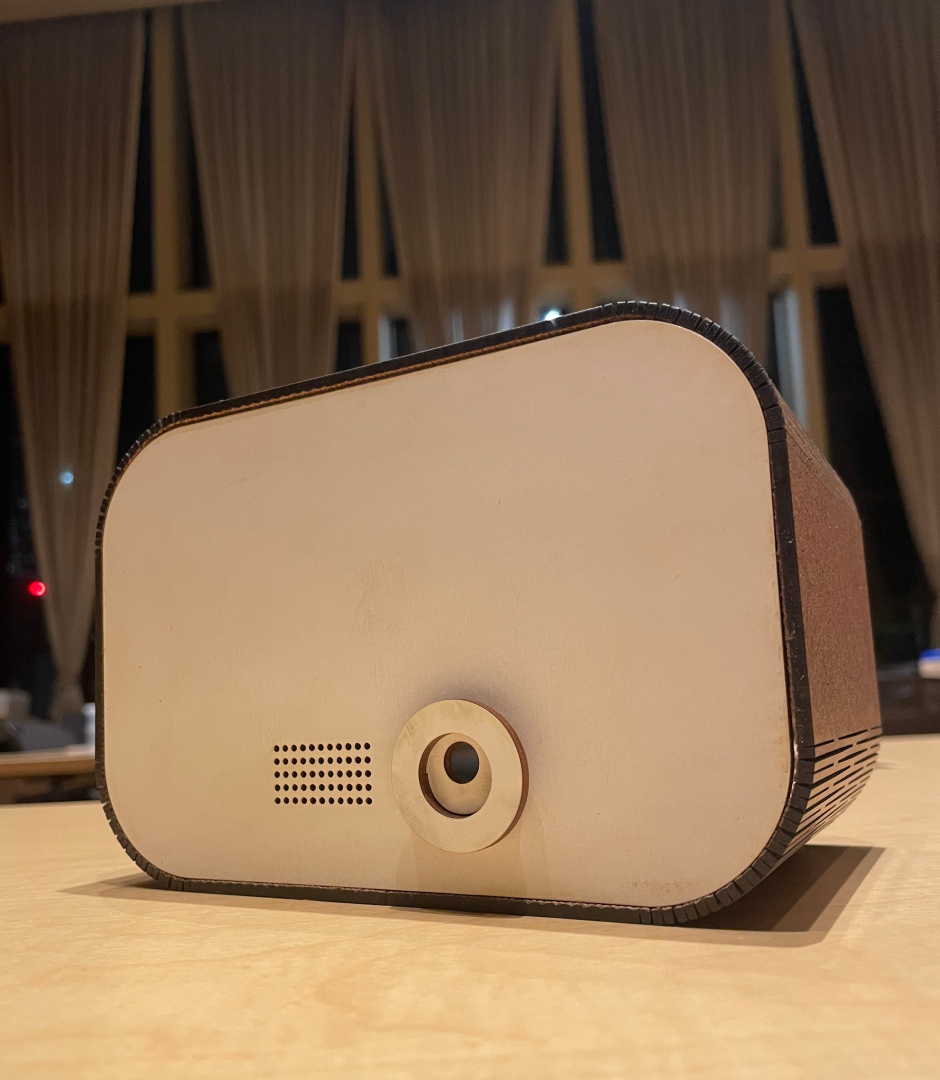
Based on user research we downsized the form factor, removed the screen, and iterated on the card to allow for handwriting.
Aftermath
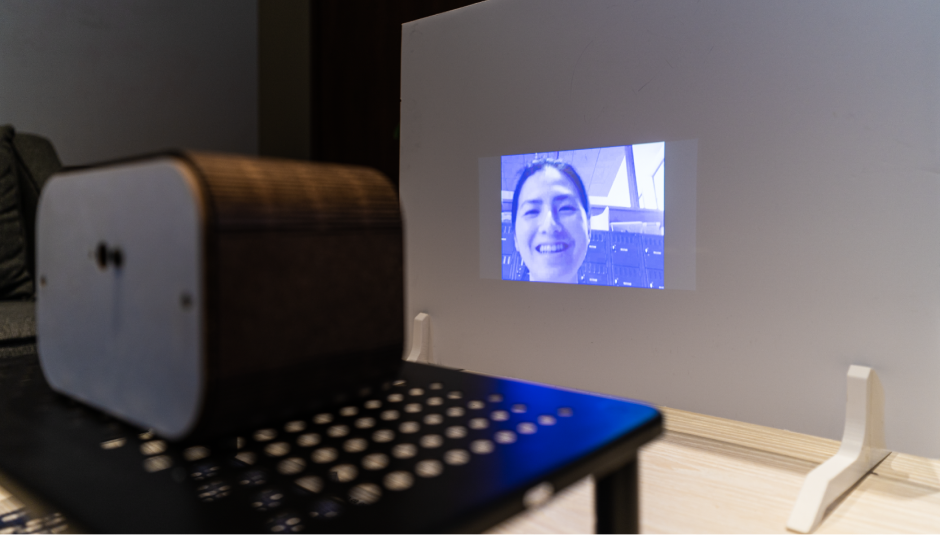
During our 10-week prototyping class, my team and I accomplished something I am truly proud of. The primary objective of the course was to gain proficiency in rapid prototyping techniques, and we certainly achieved that goal. We embarked on an ambitious project and successfully rose to the challenge.
-
Throughout the journey, I acquired new skills such as soldering, laser cutting, and expanded my programming knowledge to encompass hardware integration.
One of the most significant lessons I learned was the value of testing and iteration. Despite Lovebytes' visually appealing design, observing users interact with our prototype highlighted the need for further improvements.
Reflecting on the process, I now realize that many of the usability obstacles we encountered with our high-fidelity prototype could have been identified earlier through innovative and low-effort methods. Nonetheless, our team remains deeply passionate about the fundamental concept of our project and eagerly looks forward to taking action based on the valuable insights gathered from our recent round of testing.